

 简体中文
简体中文 English
TEL:4006258268
FAX:020-36657099
E-mail:service@gzhw.com
Info E-mail: grand.tt@grandeurhw.com
Address: 18th Floor, Global Trade Center, No. 148 Xingang East Road, Haizhu District, Guangzhou, China
Industry Information
Location:Home > News > Industry Information > DetailThe New Queen of Women's Footwear is Born: Topping Belle and Daphne, Selling 100 Million Pairs of Shoes a Year
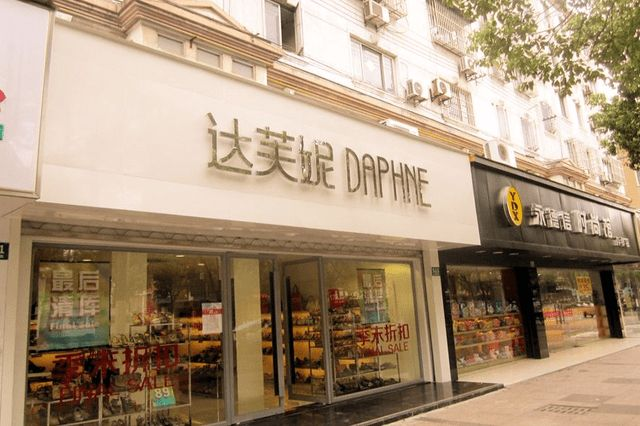
The year 2017 can be regarded as a turning point for China's domestic footwear industry. In that year, Belle, the once undisputed shoe giant, was acquired and delisted. Daphne, its peer in the industry, suffered a loss of over 600 million yuan for the whole year and closed more than 1,000 stores. In 2020, hit hard by the COVID-19 pandemic, the physical retail sector took another severe blow. Daphne, the iconic shoe brand of an era, declared bankruptcy with 4.2 billion yuan in debt and officially withdrew from the physical retail industry.
Against this backdrop of a sluggish overall industry, however, a footwear brand rose against the tide. Boasting over 9,000 stores across the country, it sold 100 million pairs of shoes a year and achieved an annual revenue of 5 billion yuan, emerging as a dark horse to take the lead. This brand is Dadong.
Chen Guangmin was born into a rural family in Zhejiang Province in 1970. In the 1980s and 1990s, the footwear manufacturing industry boomed in the coastal areas of southern China, spawning countless family-run workshops. Like many young people of his time, 17-year-old Chen left his hometown and found a job in a shoe factory, where he gained experience in all aspects of the business, from shoe design and production to sales.

During his time as a factory worker, Chen noticed that the men's leather shoes produced by Fuguiniao were extremely popular, yet the brand had no women's shoe line. He then began to wonder: could he replicate Fuguiniao's success with women's shoes? In 1996, Chen quit the shoe factory and used his life savings to found Zhejiang Kangfeng Footwear Co., Ltd., the predecessor of Dadong Footwear. He soon reaped the rewards of differentiated competition. While the men's shoe market was a cutthroat battleground, Kangfeng Footwear rose to prominence in the women's shoe market. After earning his first pot of gold, Chen officially renamed Kangfeng Footwear to Dadong Footwear.
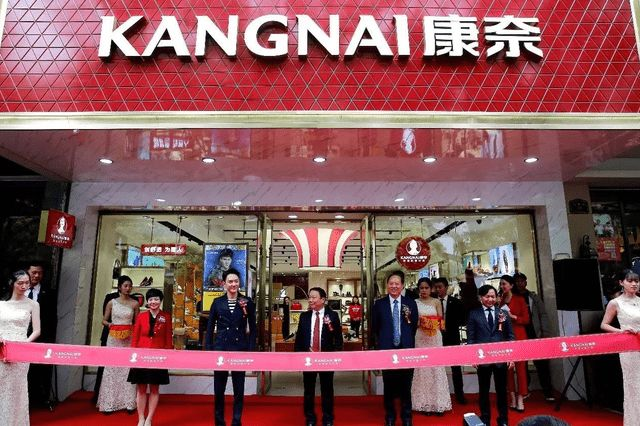
At that time, there were two mainstream wholesale and retail models in the market: one was the "chain monopoly model" represented by Aokang and Kangnai, and the other was the "terminal monopoly network model" represented by Yierkang and Zhizhuwang. However, both models shared the same critical flaw—pricing. After multiple intermediate links involving distributors and retailers, a pair of shoes that cost only 20 yuan to produce could end up priced at over 100 yuan for consumers.
To optimize pricing to the extreme, Chen Guangmin decided to implement a joint operation model featuring corporate holding, co-funded store operation and unified management. Simply put, this model eliminated all intermediate links; the headquarters took charge of unified management and pricing, minimizing the costs incurred by middlemen to the greatest extent.
While this approach created a win-win situation for the company and consumers, it undoubtedly harmed the interests of existing agents. To persuade them to accept the new model, Dadong transformed all its stores into self-operated outlets with the company as the major shareholder, and committed to bearing all future capital investments. Meanwhile, to protect the agents' interests, all profits were distributed according to their shareholding ratios; in the event of losses, Dadong would bear all the costs, and agents were guaranteed a 10% "minimum return". In other words, agents made a profit no matter how the business performed.

Thanks to this strategy, Dadong rapidly expanded its store network across the country and ensured that nearly every pair of shoes was offered to consumers at the lowest possible price—with the cheapest models priced at around 20 yuan and the most expensive ones never exceeding 300 yuan. In addition, Dadong adopted a business model similar to that of the fast fashion industry, introducing advanced production lines from abroad. It only took 14 days for a pair of shoes to go from the design stage to the sales floor, allowing the brand to keep up with the latest trends at an ultra-high production speed and meet the diverse demands of consumers. This unparalleled efficiency gave Dadong the initiative in the market, and the ability to keep prices low, thus maintaining its competitive edge in cost performance.
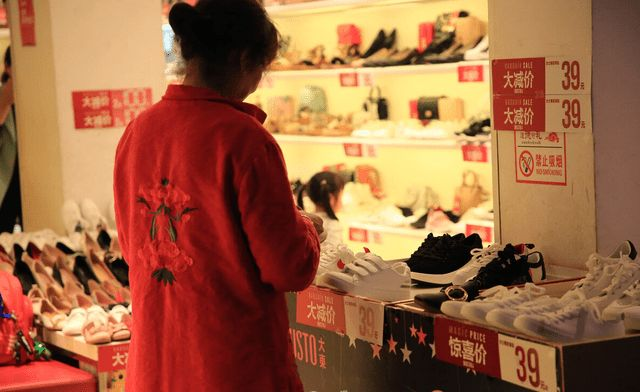
In terms of inventory management, Dadong adopted a zero-inventory sales model. Slow-selling products were marked down, and if that failed, the brand even offered buy-one-get-one-free bundle deals. With this model, Dadong essentially achieved zero inventory: shoes from each season were almost never carried over to the next, greatly alleviating the problem of inventory backlog.
Dadong also had a shrewd marketing strategy. Though it rarely hired brand ambassadors, every spokesperson it engaged was a major name. Back when Barbie Hsu was at the peak of her popularity, Dadong spared no expense to sign her as its brand ambassador; when the variety show Keep Running garnered hundreds of millions of views, Dadong quickly roped in Angelababy as its spokesperson. Combining affordable prices with a high-end brand image, Dadong naturally captured consumers' attention.
By putting consumers at the core, keeping a close eye on market trends and adjusting its business model, Dadong succeeded in rising against the industry downturn. Today, what started as a small workshop has evolved into a footwear giant with 28 branch companies, 3 R&D bases and 9,000 stores, boasting the world's highest sales volume of women's shoes.
Looking to the future, Chen Guangmin stated at a brand conference that Dadong would gradually build a "life circle" in the years to come. This ecosystem would include all branded products under the Dadong umbrella, as well as leisure facilities such as convenience stores, coffee shops, lounge areas and small amusement parks, satisfying consumers' shopping needs while also catering to their recreational demands.
Have you ever bought a pair of Dadong shoes?